

A Profession Prepares for Its Extinction
Updated: October 21, 2015 at 10:30 pm
By Bill Finley
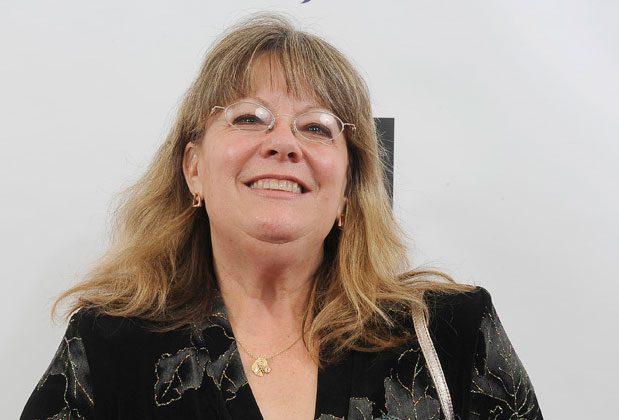
There used to be a job called turf writer. Maybe you’ve heard of it. It thrived before anyone ever heard of Twitter, the Internet or blogs or television stations that broadcast sports around the clock, and virtually every major newspaper in a city that had a racetrack had one. These were men and, yes, women, who worked a beat, the racetrack. They were there every day, mingling with the jockeys, trainers, touts, agents and racetrack characters to get the latest news so that when you picked up your local paper the next morning, you knew everything there was to know about what was going on at the track. Several papers employed more than one person, be they handicappers or columnists, to handle the racing
Then society changed. The Internet made the daily newspaper something only your grandfather read and horse racing went into an inexorable slump, falling further and further behind the more mainstream sports. Papers closed and circulation sunk at those that did not. Racetrack grandstands emptied out. Turf writers were either laid off or they retired and when they did they were not replaced.
But there would always be Jennie Rees.
She went to work at the Louisville Courier-Journal in 1981 and covered her first horse race in 1983. By the 1984 Kentucky Derby she had taken over as the horse racing beat writer for the Courier-Journal, a relationship that appeared to have no expiration date. From the home of the Kentucky Derby, the Courier-Journal had to have a full-time racing writer, or at least one would think. And Rees never wavered in her commitment to excellence or showed signs of wanting to move on. She was always there, on the backstretch, in the press box or winner’s circle, always getting the story. She never slowed down or lost her enthusiasm.
She’s covered every Derby since 1984, every Breeders’ Cup there has been and along the way she has won four Eclipse Awards and was included in the Joe Hirsch Media Roll of Honor in 2014 at the National Museum of Racing and Hall of Fame.
“When I started doing this it used to be like adult summer camp,” she said. “There would be this group and you would meet them at every stop. At the Florida Derby, they had a press hotel and hospitality suite. Guys playing poker and there was an open bar. Now there are so few people doing this. When I go to the Santa Anita Derby or the Travers, with very few exceptions, I am the only out-of-market writer there.”
But even someone of her stature working in the city where she worked eventually had to deal with the shifting fortunes of newspapers and horse racing. In a state where college basketball, and not horse racing, is truly No. 1, her page one stories became page four stories. Her 1,800-word features became 800-word features. The paper could no longer afford to send her to all the races she wanted to go to.
She announced recently that she has accepted a buyout from the Courier-Journal and that Nov. 1 will be her last day there.
Rees would never complain about those sorts of things and gives other reasons for deciding to take the buyout, but it’s easy to believe her job just wasn’t as fun as it used to be. When asked why she’s leaving the paper, she says it’s because she wants to use her talents in other areas of the sport.
“I feel very passionate about some areas in racing,” Rees said. “My husband (Pat Dupuy) trains horses and I spend a lot of time at the barn and I decided at this point in my life I’d rather be a part of the racing world than the daily journalism world. I decided that I’d rather use my communication skills in other ways. I don’t want to be a daily beat writer anymore. I don’t necessarily want to be in a position where I have to be impartial about some things that I am passionate about. I am passionate about some horsemen’s issues and I’d like to think that I can use my communications skills and reporting skills to not just represent horsemen’s entities but also racetracks. I want to help promote Kentucky racing. I felt like I could have stayed at the Courier as long as I wanted to, but I thought this was a good time to pursue these other interests that I have.”
Rees doesn’t know what the Courier-Journal will do about replacing her and Sports Editor Chris White told the TDN in an email that no decisions have been made yet about what to do with the racing beat. But with newspapers being what they are these days it’s all but guaranteed that the Courier-Journal will not hire someone to take her place and will instead go with a reporter-by-committee structure using the remaining staffers to handle the racing job.
When Rees leaves Nov. 1, there will be only one remaining racing writer left for a daily metropolitan paper, Alicia Wincze Hughes of the Lexington Herald-Leader. Working in a horse crazy town for a paper that appears to be relatively stable, it would seem that she’s not going anywhere, but one never knows. When you can lose a Jennie Rees anything is possible.
Rees was well liked by just about everybody but there will be those who won’t get too maudlin about her exit. Isn’t this what progress is all about? If it is, then maybe progress isn’t all it’s cracked up to be. There were brilliant men who brought racing to life day after day in the sports pages of America, some of whom helped make the Kentucky Derby what it is today. Red Smith and Joe Palmer. Jim Murray and Bill Nack. Walter Haight, Steve Crist, Andy Beyer. And of late, Jennie Rees. They were part of the fabric of the sport and without them the sport just isn’t as good.
Rees says don’t be sad for her. She’s excited about the next chapter in her life. But you should be sad for the game.
Feedback? E-mail suefinley@thetdn.com